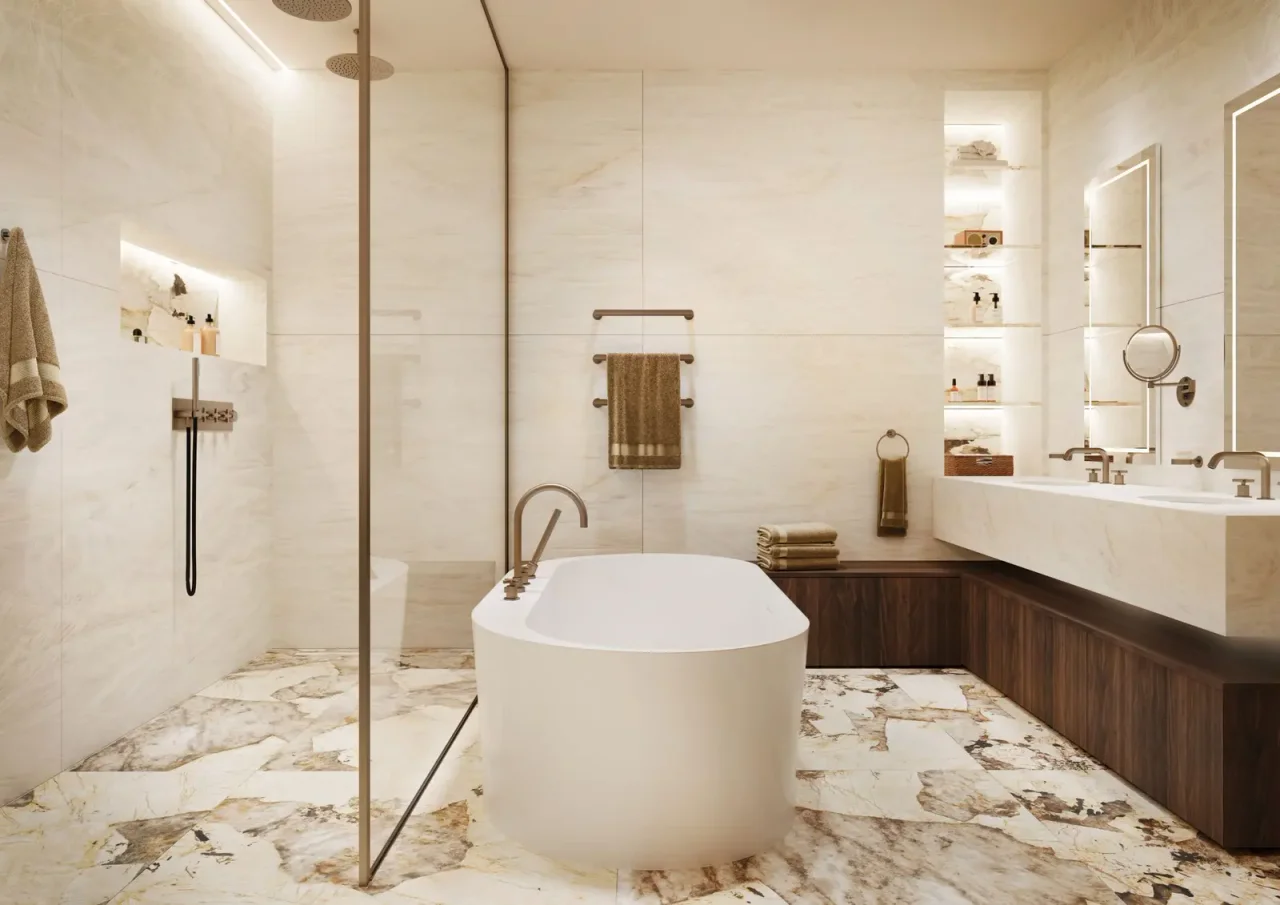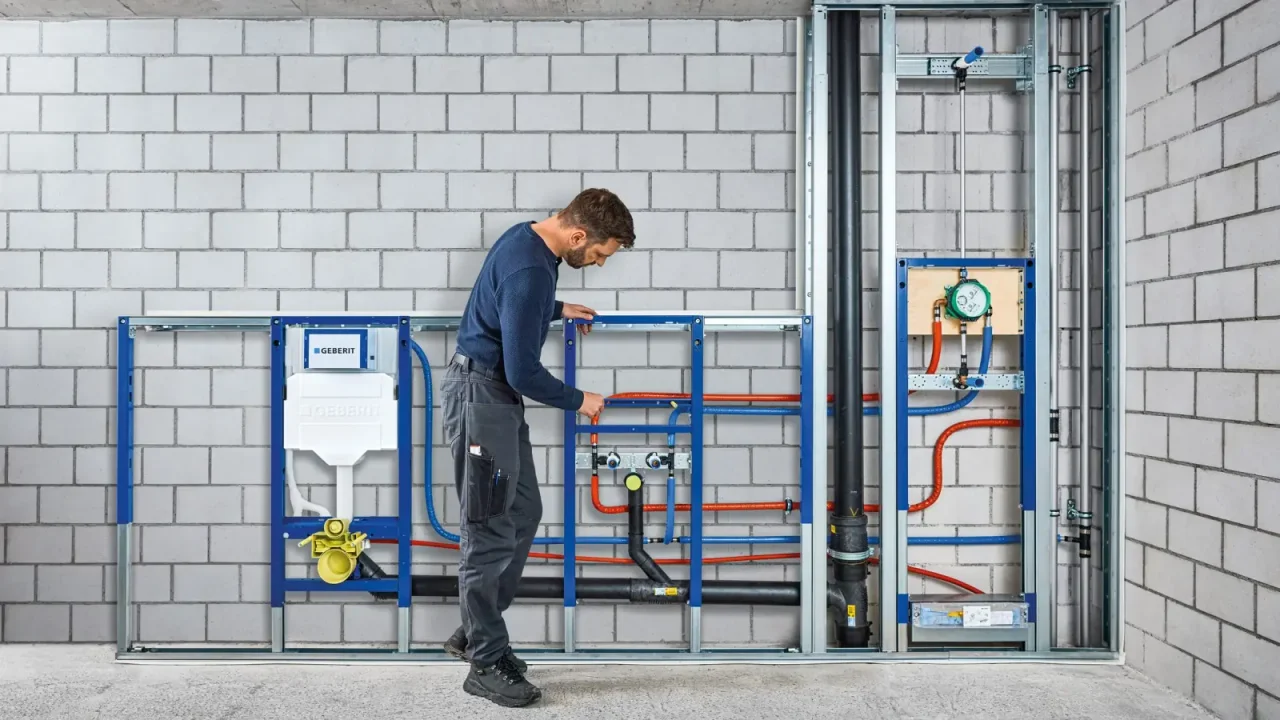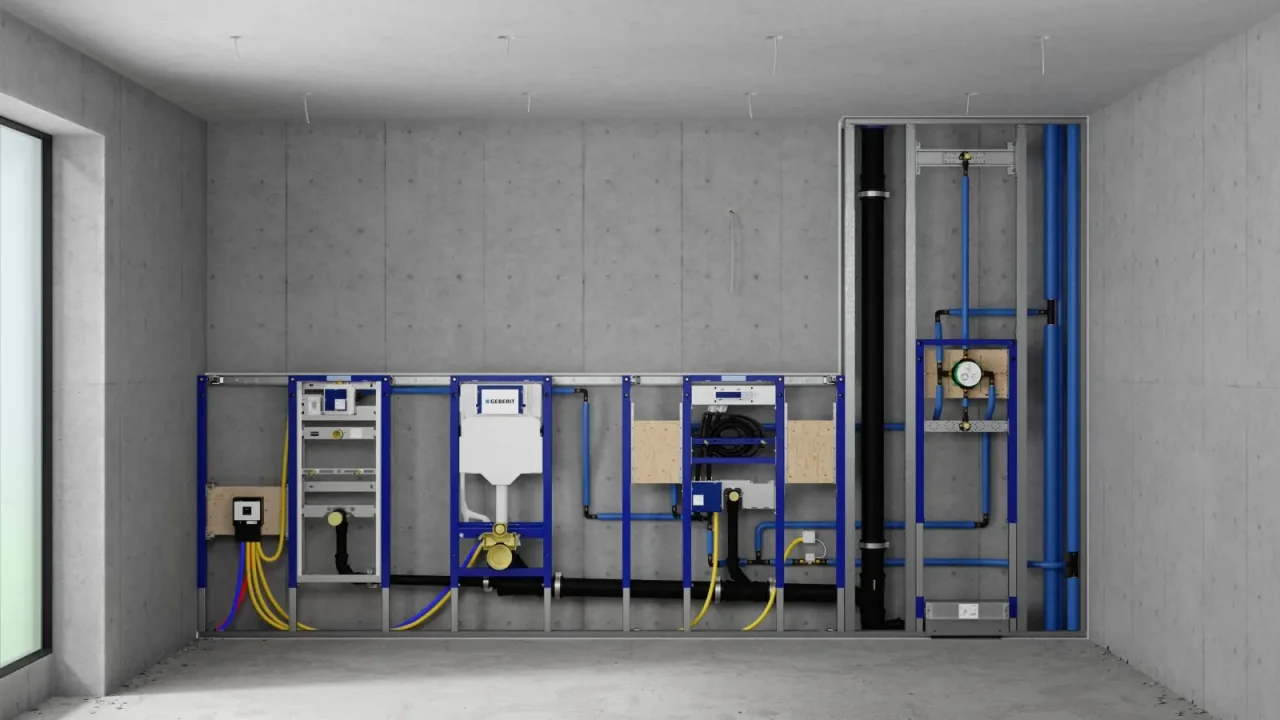
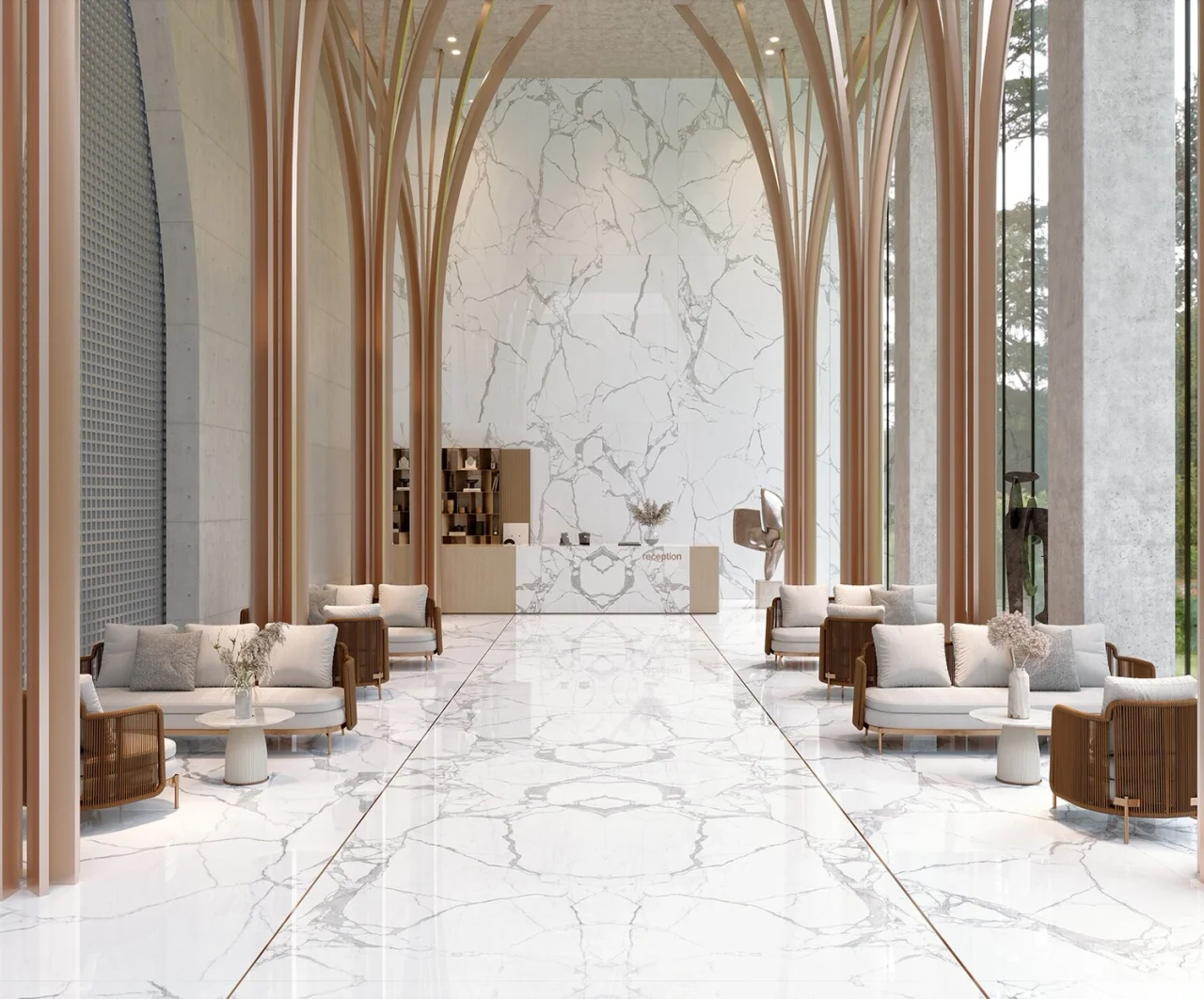
A moodboard expresses a wish. A specification must enable several contractors to realise it without contradictory interpretations. Between them, colours, textures and proportions must become references, dimensions and approval points.
01
Separate intention from product
First describe the project’s identity: pale stone, warm metal, a rounded line or a graphic surface. This wording helps preserve the idea when a product must change because of budget or availability.
Then attach a concrete selection to each intention. Do not let an inspiration image replace an orderable reference. An image may show a variant, size or composition unsuitable for your site.
02
Build a readable schedule
For every item, record brand, collection, complete reference, finish, quantity and area of use. Add included items and required extras. A concealed body, waste or fixing can disappear from the budget if its description is too general.
Group products by room and functional assembly. Read basin and tap together, and cistern and flush plate together. This structure helps identify incompatibilities before ordering.
03
Draw interfaces rather than detailing everything equally
Some junctions deserve particular attention: spout and basin, sink and worktop, plate and tile layout, concealed body and wall thickness. A targeted section can be more useful than many general views.
Have positions approved by the responsible contractors. Architectural drawings coordinate intention; technical documents define installation conditions for exact references. Both must remain consistent until installation.
04
Organise approval and substitutions
Date moodboards and schedules. If a reference changes, state why and check effects on other items. A new basin can change the tap; a new finish may require reconsidering accessories.
Bring plans, quantities and timing to EDIFIS to prepare a selection. Request confirmation of references and lead times during consultation. Archive the version actually ordered and then the installed version with the client’s useful instructions.
Before you decide
- State the principal intention.
- List references and required extras.
- Draw critical interfaces.
- Date and archive approvals.
The essentials
Your questions, our guidance.
Is a moodboard enough for an accurate quotation?
No. It helps explain style, but quantities, configurations, dimensions and references are needed to compare complete offers.
How can the design survive a product change?
Identify the essential characteristics, then check the replacement using samples and technical interfaces.
From idea to project
Discover at EDIFIS
Catalogues and documentationCompare collections and materialsPrepare a selection with EDIFISConfirm references, configurations, finishes and availability for your project.
Documentation & references
EDIFIS design advice. For specifications and installation, consult the documentation for the selected reference.
EDIFIS · brands and specification areas ↗