A concealed shower visually frees the wall. Its success also depends on what remains understandable and accessible after tiling. Plan the maintenance operations intended for the product, keep a record of hidden components and do not mistake a replaceable trim for an installation that is universally interchangeable.
01
Identify the concealed body and visible trim
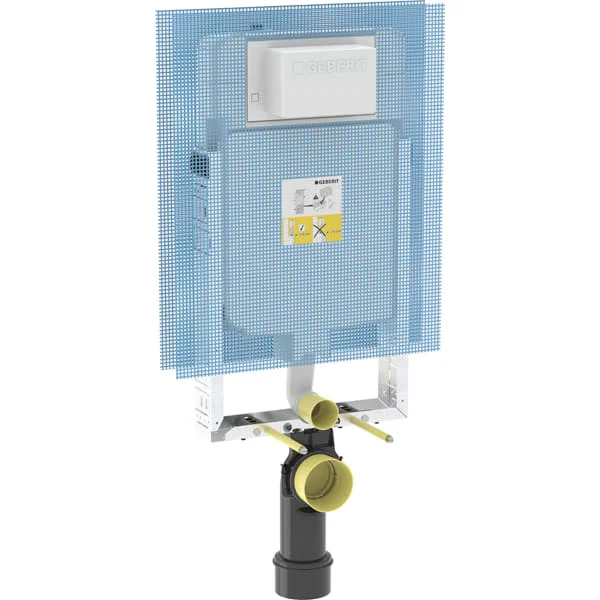
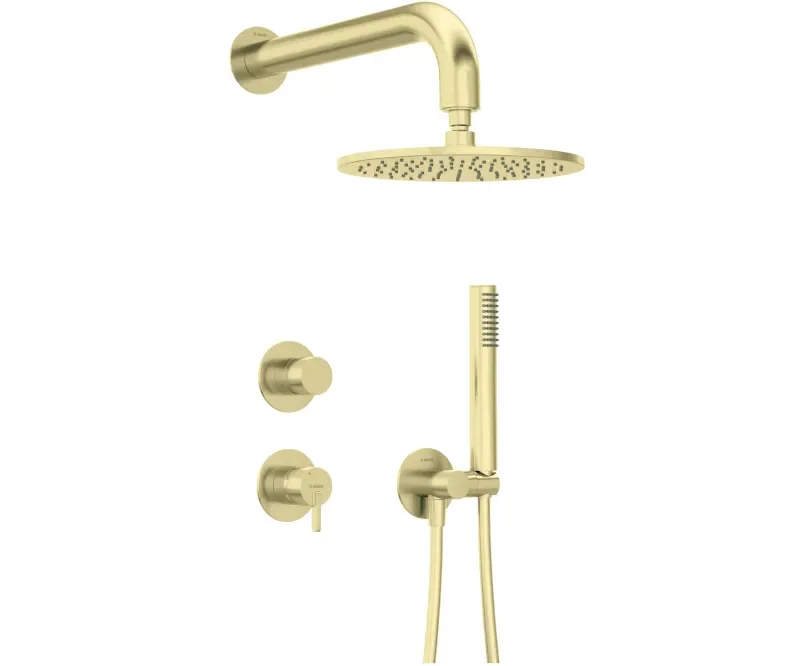
In the selection file, distinguish the concealed body's reference, the control reference and the connected outlets. A photograph usually shows the visible part. It cannot identify the system inside the wall or all the accessories required.
hansgrohe iBox families illustrate why this matters: some combinations require an adapter. For Deante or Remer too, have the complete combination confirmed. A shared brand or a similar shape does not establish compatibility.
02
Organise the manufacturer's intended maintenance
Ask which operations are performed through the front and which components can be removed according to the instructions. Leave enough space around the control for this work. Avoid trapping a removable part behind cladding that prevents its withdrawal.
Front access to some components does not guarantee access to every pipe. Hidden connections, waterproofing and any technical access should be studied together by the installer and designer.
03
Coordinate depth with the finished wall
The combined thickness of the substrate, waterproofing, adhesive and covering affects positioning. The professional must work from the finished wall dimension and the system's permitted range. A thickness added late may change the trim's final position.
Also position the control in relation to joints, niches and corners. Decorative precision and the ability to dismantle components should be checked on the same elevation. A tidy screen drawing is insufficient if maintenance becomes impossible.
04
Leave the owner a useful record
Before closing the wall, retain photographs and an identification list of the components. Add instructions, outlet configuration and commissioning information. This record makes it easier to identify a part years after installation.
For a future renovation, retrieve that information before choosing new trim. EDIFIS can help prepare a documentation search from an identifiable reference. A carefully planned intervention also protects the covering and reduces decisions made under pressure.
Before you decide
- Distinguish the concealed body from the trim.
- Confirm combinations and adapters.
- Preserve the intended maintenance access.
- Archive photographs and references before closure.
The essentials
Your questions, our guidance.
Can I change the trim without opening the wall?
It depends on the installed system and the compatibility of the new reference. Identify the concealed body and consult its documentation first.
Does front access make every connection accessible?
No. It concerns the components intended for that maintenance. Hidden pipework still requires appropriate design and installation.
From idea to project
Discover at EDIFIS
hansgrohe and AXOR solutionsDeante shower assembliesEDIFIS documentationConfirm references, configurations, finishes and availability for your project.
Documentation & references
EDIFIS design advice. For specifications and installation, consult the documentation for the selected reference.
hansgrohe · iBox universal 2 concealed bodies ↗