A mark inside the pan is not treated in the same way as one on the seat. A Geberit toilet combines several surfaces and mechanisms with different care instructions. To preserve their appearance, first identify the affected area and the product instructions, then adapt cleaning to what you observe.
01
Separate the surfaces before cleaning
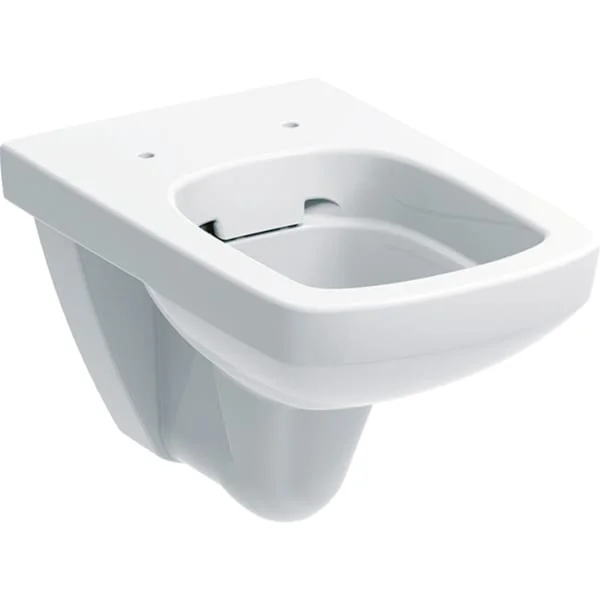
Identify the glazed ceramic, seat ring, lid, hinges and nearby components. A cleaner suitable for the inside of the pan is not automatically compatible with the seat or its finishes. Plan separate cleaning actions to avoid splashes onto these components.
Find the pan and seat references in your EDIFIS records. If a particular surface treatment is advertised, check that it applies to this reference. The Geberit name or a glossy appearance does not mean every ceramic product has the same special glaze.
02
Establish a gentle routine
For routine care, Geberit recommends mild liquid cleaners and water. Use a soft, lint-free cloth on accessible surfaces, then dry them as instructed. This routine also helps you notice marks before they build up.
Avoid sharp or pointed objects for scraping a mark. A visible deposit does not immediately justify more aggressive treatment. Keep the instructions near the cleaning products so that everyone responsible for cleaning uses the same method.
03
Treat limescale in the right place
For limescale deposits, choose a cleaner compatible with sanitary ceramics and the Geberit instructions for your product. Follow its directions, particularly contact time and rinsing. Do not improvise a concentration or duration based on a recipe found online.
While a cleaner is working inside the pan, Geberit instructs you to leave the seat open or remove it according to its instructions. Avoid any contact between toilet cleaner and other surfaces. If the mark persists or the surface appears damaged, photograph it and seek advice before trying repeated treatments.
04
Protect the seat and hinges
For toilet seats, Geberit’s instructions exclude acidic, chlorine-containing, corrosive or abrasive cleaners. Clean the seat with a mild liquid product, water and a suitable cloth. A method approved for the ceramic pan must therefore not be transferred to the seat or its hinges without checking.
If the seat has soft closing, do not force it down. If it has quick release, follow its removal and refitting mechanism; this function does not apply to every reference. Unusual movement or impaired closing calls for the component to be checked, not for more descaler.
Before you decide
- Identify the surface and product reference.
- Choose a compatible cleaning product.
- Protect the seat while cleaning the pan.
- Keep the instructions and watch for abnormalities.
The essentials
Your questions, our guidance.
Can I use the pan’s descaler on the toilet seat?
Not by default. Seat instructions specifically exclude acidic cleaners; check each surface separately.
Does a soft-closing seat necessarily have quick release?
No. Soft closing and quick removal are separate functions to verify for the exact product reference.
From idea to project
Discover at EDIFIS
Geberit at EDIFISSelnova Square seat offered by EDIFISIdentify your equipment in the showroomConfirm references, configurations, finishes and availability for your project.
Documentation & references
EDIFIS design advice. For specifications and installation, consult the documentation for the selected reference.
Geberit · care of ceramics and toilet seats ↗Geberit · preventing stains caused by cleaning products ↗Geberit · Selnova Square seat references and functions ↗