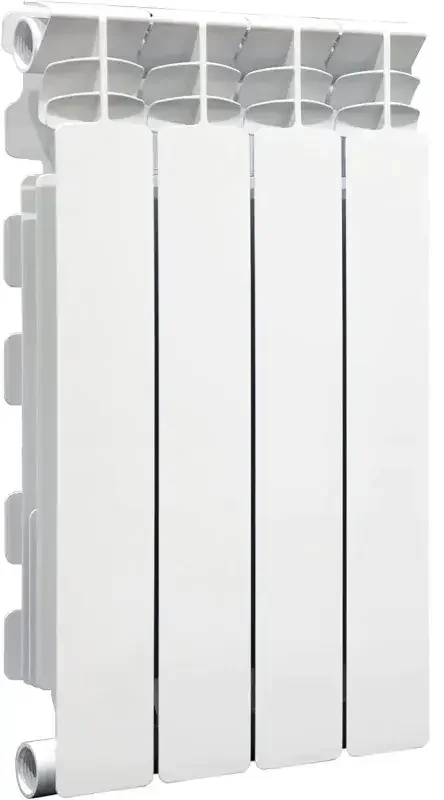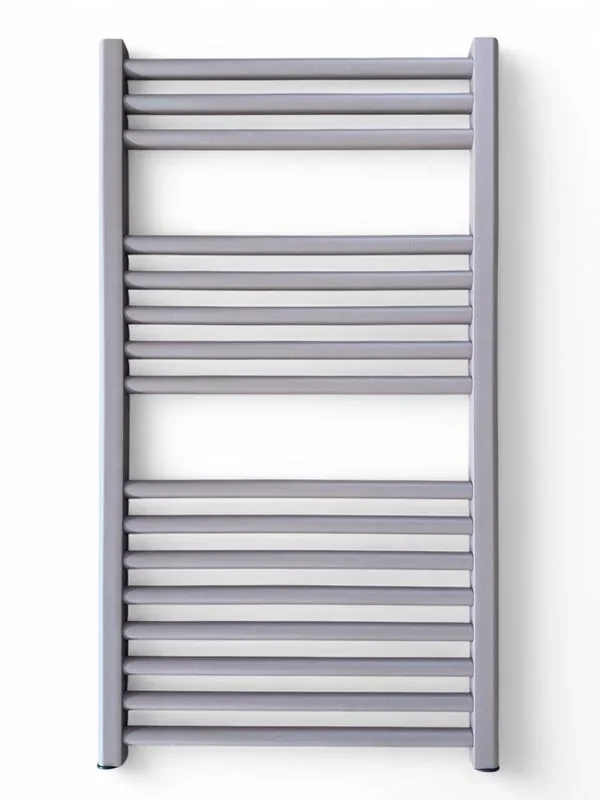
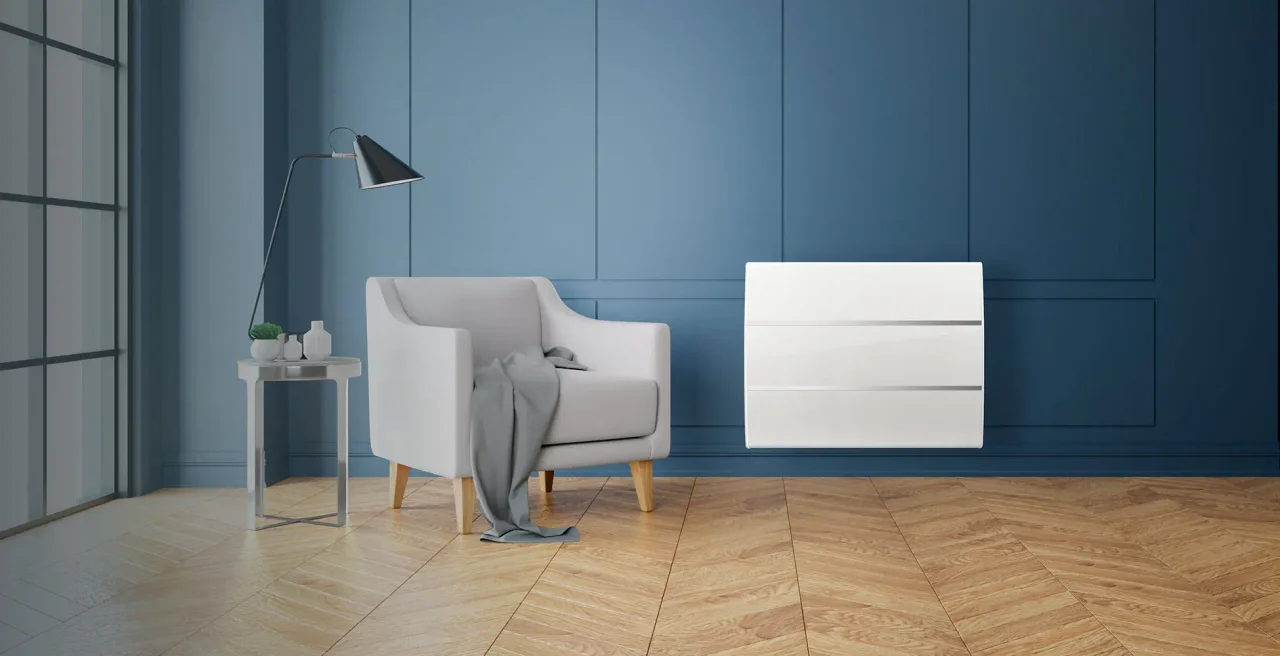
Two radiators of similar size can suit very different projects. Before comparing their shape or colour, identify how heat will reach the room. In a Tunisian renovation, this decision also affects installation work, controls and the operation of other equipment in the home.
01
Identify the services actually available
A hot-water radiator belongs to a heating circuit supplied by a heat generator. An electric radiator needs a suitable electricity supply. Pipes in a room do not establish their purpose: have a professional identify the circuit.
Photograph the heat generator, its identification details and visible connections. For an electric solution, have the installation and proposed position checked. A nearby socket does not, on its own, confirm that the connection is suitable.
02
Describe when the room needs heat
A bedroom used every night, an occasional office and a bathroom do not share the same schedule. Write down occupancy periods and the comfort required. This helps compare controls and the times when heat will be available.
If central heating is switched off for part of the year, record any remaining needs. An independent solution can then be considered, without assuming that an existing water radiator can freely be converted into an electric appliance.
03
Compare the complete project
Request comparable specifications: appliance, connections, control, support preparation and commissioning. Separate work needed now from possible changes elsewhere in the home. The appliance price alone does not show this difference.
Running costs depend on factors including heat demand, operating time and the energy used. Avoid consumption promises based only on the material name or the radiator’s appearance.
04
Select a reference after the assessment
Have the emitter sized for the room and intended operating conditions. For hot water, read output against the planned water temperatures. For electric heating, also confirm the control and installation constraints.
Bring this information to EDIFIS to compare the references offered, their accessories and availability. Keep the exact technical sheet: one design family can include several configurations that require different installation arrangements.
Before you decide
- Have a professional identify the system.
- Record occupancy periods.
- Compare complete specifications.
- Validate output and connections.
The essentials
Your questions, our guidance.
Can a water radiator become electric?
Do not assume so. Only a configuration explicitly provided for by the manufacturer can be considered with a professional.
Must every room use the same system?
Not necessarily. The overall arrangement and the constraints of each installation still need checking.
From idea to project
Discover at EDIFIS
Piping and heating at EDIFISHJM electric heatingPlanning towel radiator requirementsConfirm references, configurations, finishes and availability for your project.
Documentation & references
EDIFIS design advice. For specifications and installation, consult the documentation for the selected reference.
Acova · central or electric heating ↗