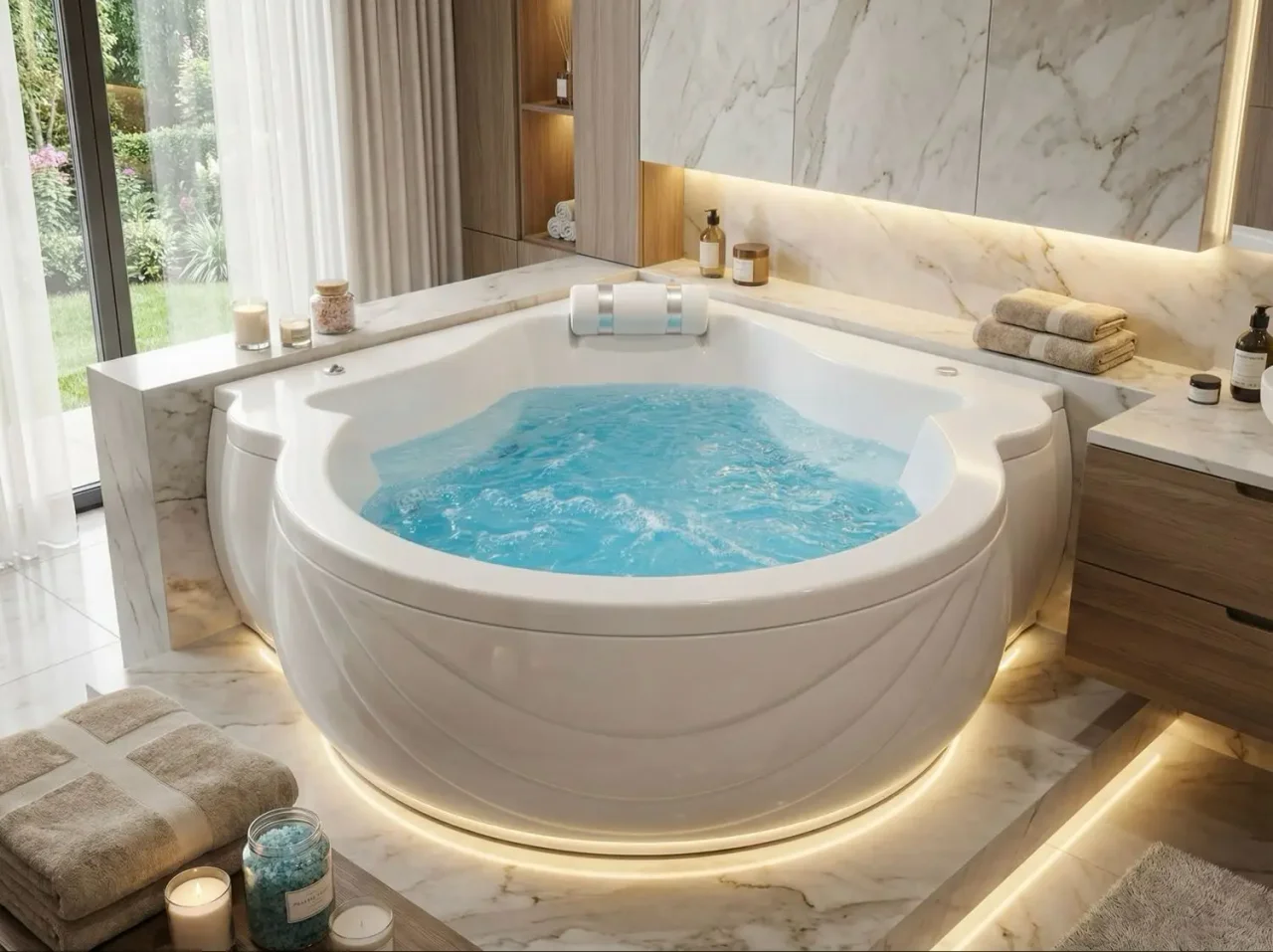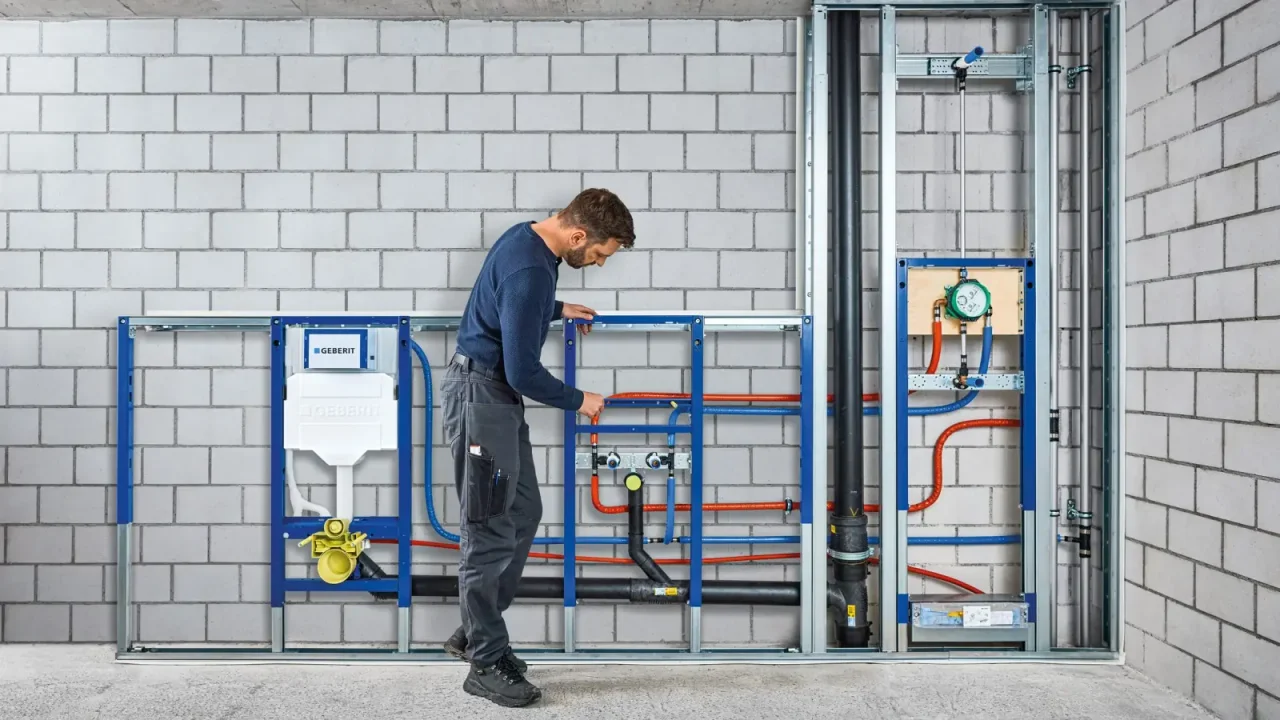
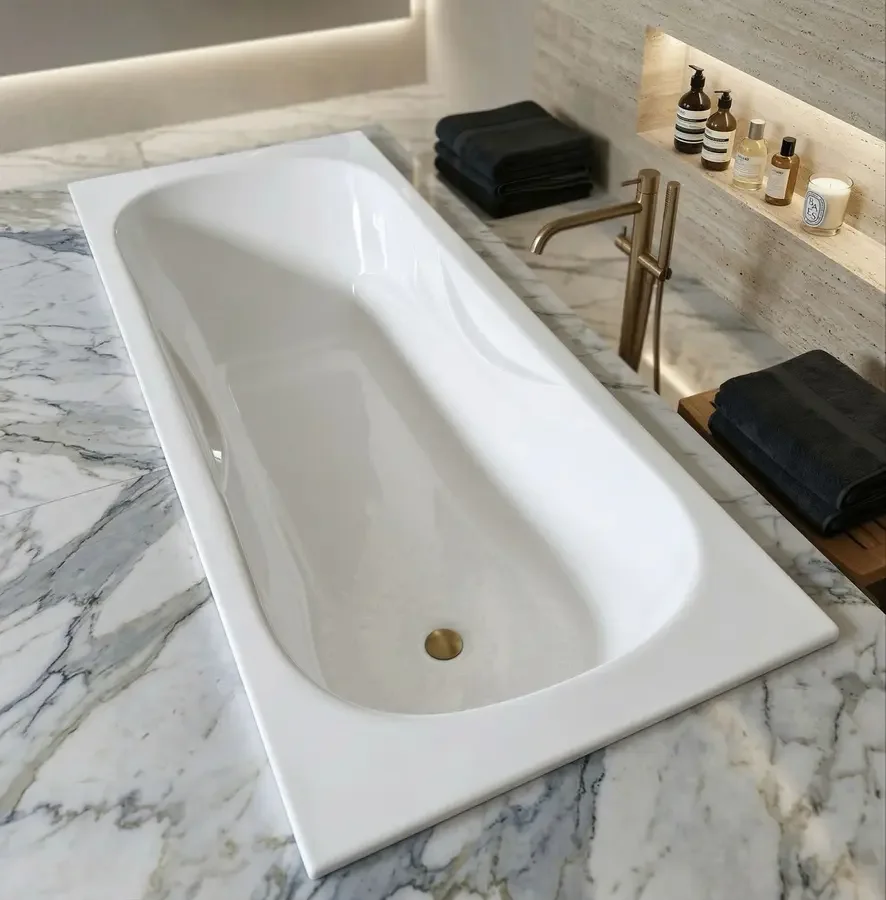
Acrylic and composite describe material families, rather than two automatically opposing quality levels. To choose a bathtub in Tunisia, compare specific models and their complete installation. Internal shape, supports and maintenance may influence your decision more than the material name alone.
01
Identify the precise construction
Request the manufacturer’s description of composition, surface finish and prescribed support accessories. Composites differ; a property stated for Duralite® does not automatically apply to another material.
Avoid judging a bathtub solely by the visible rim thickness. It describes neither base reinforcement nor the complete construction, which should be documented for that reference.
02
Compare loads and supports
Record empty weight, stated capacity and installation conditions. Have a suitable professional assess the bath’s operating load and the supporting structure’s capacity where the project requires it.
Distinguish feet, frame, bearing points and decorative panels. A panel is not automatically load-bearing. Do not introduce packing or reinforcement absent from the manual to compensate for uncertainty.
03
Assess use inside the bath
Compare usable base length, backrest angle and waste location. Bathtubs with similar external dimensions can offer different bathing positions; a showroom trial helps distinguish them.
Then examine entry height, intended handholds and control positions. Touch and gloss are preferences to consider alongside these practical comfort criteria.
04
Plan everyday care over time
Read cleaning instructions and documented repair possibilities. A procedure intended for a composite surface may suit neither acrylic nor every finish from the same brand.
Finally compare the complete installation: shell, supports, waste, surround and access. Ask EDIFIS to confirm the offered references and documents. This avoids selecting a promising material in an unsuitable configuration.
Before you decide
- Read the exact composition.
- Check loads and supports.
- Compare usable internal space.
- Keep the care manual.
The essentials
Your questions, our guidance.
Is composite always heavier?
That depends on the material and model. Compare the stated weights of the selected references, then their handling and operating conditions.
Can a scratched surface always be repaired?
No. Request the authorised procedure for the particular material and damage before intervening.
From idea to project
Discover at EDIFIS
Compare bathtubsUnderstand composite surface careConfirm references, configurations, finishes and availability for your project.
Documentation & references
EDIFIS design advice. For specifications and installation, consult the documentation for the selected reference.
SANIBEL · example of Duralite® construction ↗Duravit · preparation and installation conditions ↗