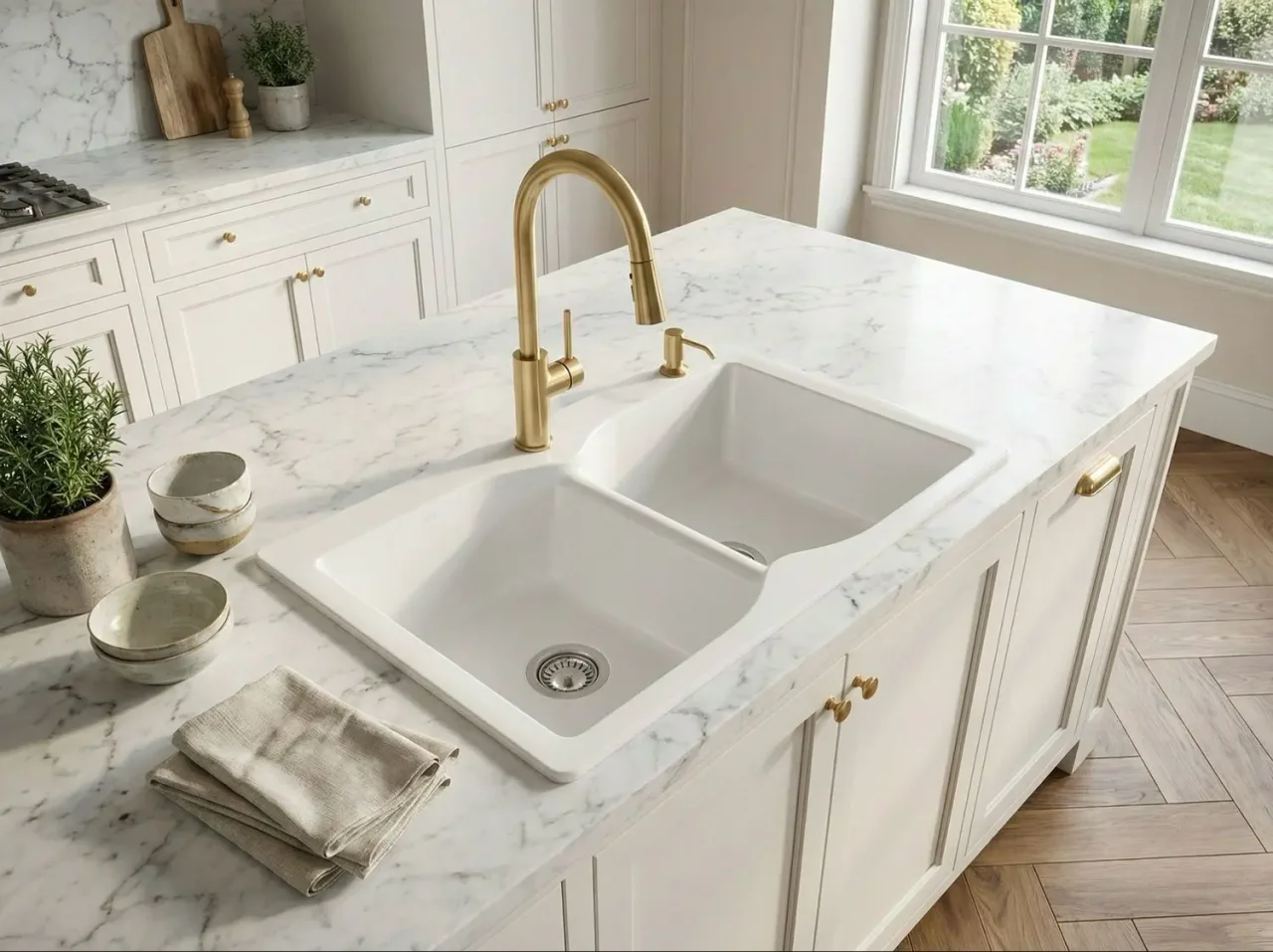
Dessert is on the table and the first tray of used plates is already on its way back. Where can you put it down while someone else makes coffee? That journey gives your second sink a purpose.
01
Carry a tray with both hands
Take your tray from the dining table to the back kitchen. Note the door you have to push, the tight turn and the first surface where you can set dishes down before sorting them.
02
Size the bowl around your largest platter
Place your serving platter in a mock-up of the bowl’s internal dimensions. Try tilting it under the spout and reserve space beside the sink for glasses that need hand washing.
03
Decide where to unload the dishwasher
On the drawing, open the door and pull out the rack. Trace the clean plates’ route to their cupboard. A dishwasher in the back kitchen works best if unstacking, loading and putting dishes away take few trips.
04
Keep coffee within reach of your guests
The main kitchen can still handle coffee, water and light food preparation. A compact secondary sink may be enough to rinse glasses. If large dishes come back here too, use their outline to choose the bowl.
Before you decide
- Allow a landing space for incoming dishes.
- Test the largest platter in the bowl.
- Locate storage for clean plates.
The essentials
Your questions, our guidance.
Do the two sinks have to be the same size?
Size each for its tasks. A bowl for glasses can have quite different proportions from one used to wash oven dishes.
From idea to project
Discover at EDIFIS
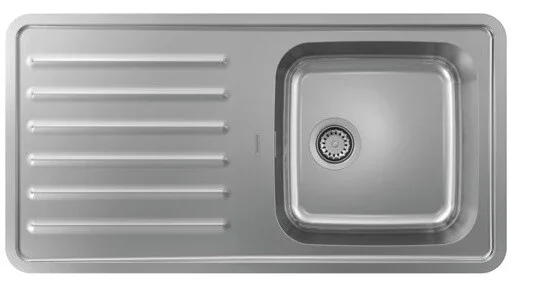
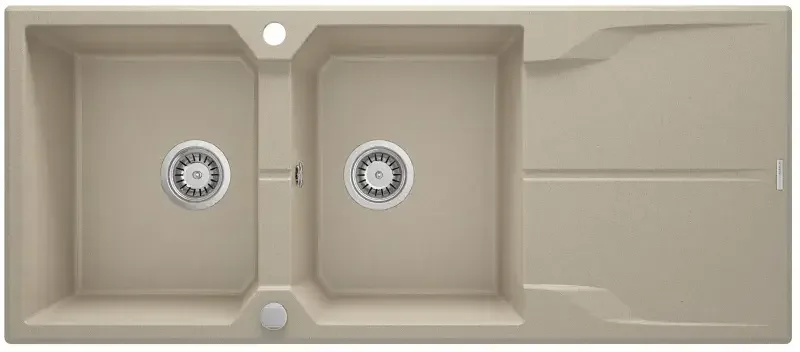
Read a sink bowl’s usable dimensionsChoose where to put the drainerConfirm references, configurations, finishes and availability for your project.
Documentation & references
EDIFIS design advice. For specifications and installation, consult the documentation for the selected reference.
Kohler · guide to sink bowl configurations ↗